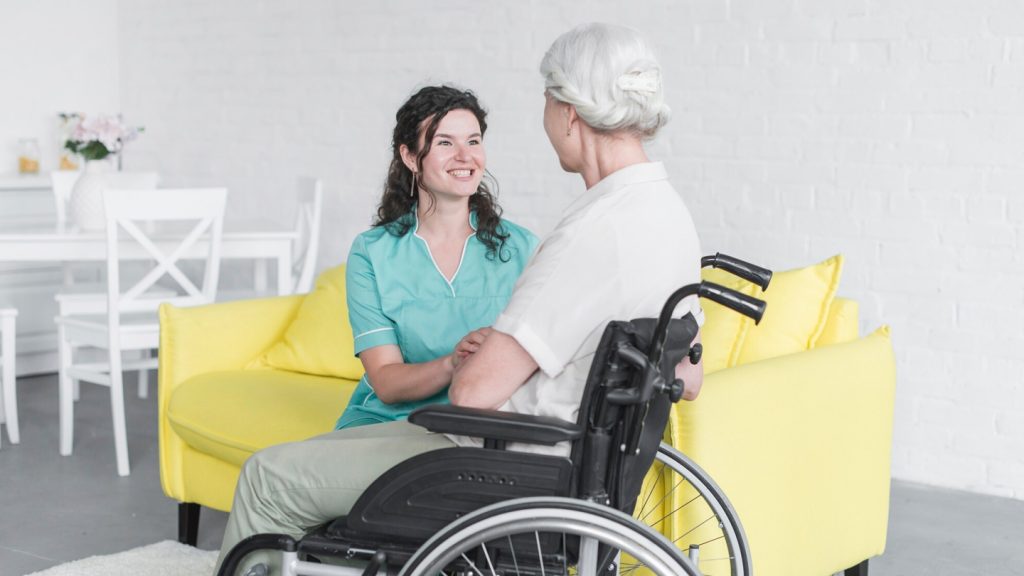
When a loved one begins to need extra help at home, families often feel unsure about what kind of care is best. Some seniors only need help with small daily tasks, while others require regular support after illness or surgery. Home care services offer many options, and each one serves a different purpose.
Understanding the types of home care services can help families make better choices. The right care plan depends on health needs, safety concerns, and how much help a senior requires each day.
This guide explains the most common home care services and how to decide which one fits your loved one’s situation.
Companion Care
Companion care focuses on emotional support and daily interaction. This type of care is ideal for seniors who live alone and feel lonely or isolated but do not need medical help.
Caregivers spend time talking, playing games, reading, or watching television with seniors. They may also help with light household tasks such as tidying up, preparing simple meals, and reminding seniors to drink water or take their medicine on time.
Companion care works well for seniors who are mostly independent but benefit from having someone nearby for comfort and company.
Personal Care Services
Personal care services help seniors with activities of daily living. These services support people who struggle with physical tasks due to age, injury, or illness.
Caregivers assist with:
- Bathing and grooming
- Dressing
- Toileting
- Walking and transferring from bed or chair
- Meal preparation
This type of care suits seniors who want to stay at home but need hands-on help to stay clean, safe, and comfortable.
Respite Care
Respite care provides temporary support for family caregivers. Many families care for loved ones full-time, which can become tiring both physically and emotionally.
With respite care, a trained caregiver steps in for a few hours or days so family members can rest, work, or attend personal matters. This service helps prevent burnout and allows families to keep providing care without becoming overwhelmed.
Respite care can be short-term or planned on a regular schedule.
Post-Hospital and Surgery Recovery Care
After surgery or a hospital stay, seniors often need extra support at home. This type of care helps with recovery and prevents complications.
Caregivers assist with:
- Mobility and safe movement
- Medication reminders
- Meal preparation
- Personal hygiene
- Monitoring daily comfort
This service helps seniors heal in their own homes instead of struggling alone. It also reduces the risk of returning to the hospital due to falls or missed medication.
Rehabilitation and Mobility Support
Some seniors need help rebuilding strength after injury or illness. Rehabilitation and mobility support focuses on helping seniors move safely and regain confidence.
Caregivers encourage light activity, assist with walking, and support daily routines. This service is helpful for seniors recovering from fractures, joint problems, or long-term weakness.
The goal is to improve movement and reduce the risk of falls while keeping seniors active within safe limits.
Alzheimer’s and Dementia Care
Seniors with memory loss need special attention and patience. Alzheimer’s and dementia care focuses on safety, routine, and emotional comfort.
Caregivers help with:
- Daily structure and reminders
- Personal hygiene
- Meal times
- Supervision to prevent wandering
- Emotional reassurance
This care allows seniors to stay in a familiar environment while receiving steady support that respects their dignity.
Chronic Condition Support
Some seniors live with long-term conditions such as Parkinson’s disease or cancer recovery needs. These situations require ongoing attention and careful daily help.
Caregivers assist with mobility, comfort, and daily tasks. They also help families manage routines and provide steady emotional support.
This type of care gives seniors the chance to remain at home while managing their condition safely.
Non-Medical Transportation Services
Transportation services help seniors attend appointments, run errands, or visit family and friends.
Caregivers ensure safe travel and assist with getting in and out of vehicles. This service is helpful for seniors who no longer drive but still want to stay active and connected to their community.
24-Hour and Live-In Care
Some seniors need support throughout the day and night. This may be due to serious health concerns, fall risks, or memory problems.
With 24-hour care, caregivers remain available at all times. This service gives families peace of mind and keeps seniors safe around the clock.
It is often chosen for seniors who should not be left alone for long periods.
How to Choose the Right Home Care Service
Choosing the right home care service depends on your loved one’s daily needs. Start by asking these questions:
- Can they manage bathing and dressing on their own?
- Do they forget meals or medication?
- Are they lonely or anxious when alone?
- Do they need help after surgery or illness?
- Are they safe walking around the house?
Families should also consider how much time they can personally provide care. If family members work or live far away, professional support can fill the gap.A care assessment can help determine which service or combination of services works best.
A Care Plan That Grows with Your Loved One
One of the benefits of home care is flexibility. Care plans can change as needs change. A senior may begin with companion care and later move to personal care or full-time support.
This gradual shift allows seniors to stay at home longer while receiving the right level of help at each stage of life.
Finding the Best Fit for Your Family
Every senior is different. Some need help with daily tasks, while others need emotional support or safety supervision. Understanding the types of home care services makes the decision easier and less stressful.
The right home care service helps seniors live comfortably and safely in their own homes while giving families confidence and peace of mind.
Choosing care is not just about assistance. It is about giving your loved one respect, comfort, and support in the place they know best.