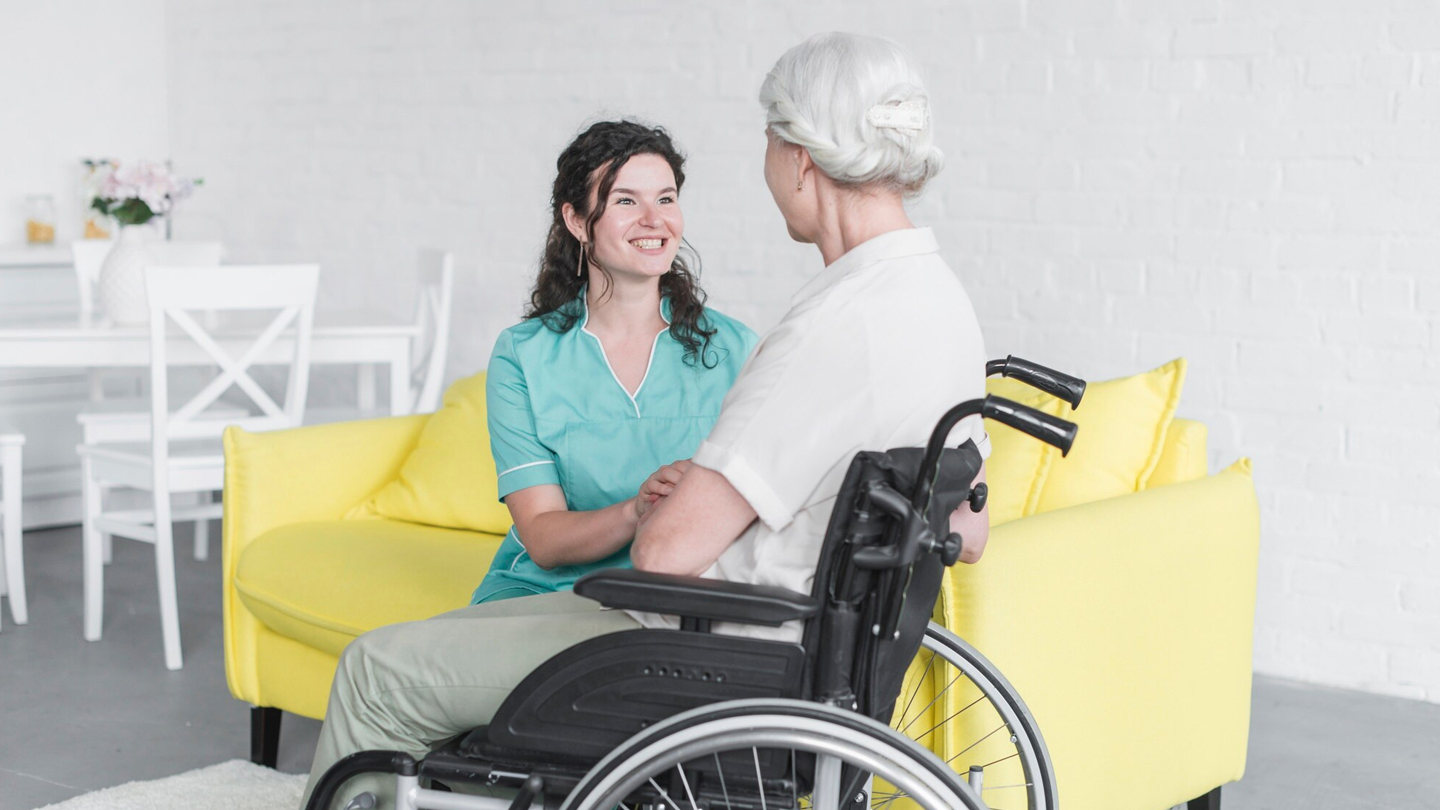
As parents and grandparents grow older, daily life can become harder to manage. Simple tasks like cooking, bathing, or getting dressed may turn into real struggles. Many families face a tough question: how do we keep our loved ones safe and cared for without taking away their comfort or independence?
In-home care offers a thoughtful answer. Instead of moving seniors into a facility, professional caregivers come directly to their homes. This type of care gives older adults the support they need while letting them stay in a place that feels familiar and secure.
Below are the main reasons why in-home care for seniors works so well for aging loved ones and their families.
Comfort of Staying at Home
Home holds memories, routines, and a sense of control. Seniors often feel calmer and more confident in their own space. They know where everything is, and they do not have to adjust to new surroundings or strict schedules.
In-home care allows your loved one to wake up in their own bed, eat meals in their own kitchen, and relax in their favorite chair. This comfort can reduce stress and confusion, which is very important for seniors with memory issues or limited mobility.
Being at home also helps seniors keep their personal habits. They can choose when to bathe, what to eat, and how to spend their day. This freedom supports emotional health and self-respect.
Personal Attention and One-on-One Support
Unlike large care facilities where staff must divide time between many residents, in-home care focuses on one person. The caregiver’s full attention stays on your loved one’s needs.
Caregivers assist with tasks such as:
- Bathing and dressing
- Meal preparation
- Medication reminders
- Light housekeeping
- Companionship
This one-on-one care builds trust. Over time, seniors feel more comfortable with their caregiver, and families feel more confident knowing someone dependable is always there.
Greater Safety and Fewer Risks
Falls and accidents are common concerns for seniors living alone. A caregiver can help prevent these problems by staying nearby and offering steady support.
Caregivers also keep an eye on changes in health or behavior. If something feels wrong, families can be informed quickly. This early awareness can help avoid hospital visits and serious health problems.
Simple steps like helping with walking, keeping the home tidy, and making sure meals are eaten on time all play a part in keeping seniors safe each day.
Support for Emotional Well-Being
Aging can feel lonely, especially when friends move away or family members stay busy with work. In-home care brings companionship into daily life.
Caregivers talk with seniors, listen to their stories, and share activities like watching TV, playing cards, or taking short walks. These moments matter more than many people realize. They help reduce feelings of isolation and sadness.
When seniors feel seen and heard, their mood often improves. A positive mindset can also help with physical health and daily energy.
Peace of Mind for Families
Family members want to help, but many have jobs, children, and other duties. It can feel overwhelming to manage everything at once.
In-home care gives families a break from constant worry. They know their loved one is not alone and has proper support. This allows families to focus on their own responsibilities while staying involved in care decisions.
Care also becomes more balanced. Instead of feeling exhausted or stressed, family visits can return to being warm and meaningful time together.
Flexible Care That Fits Changing Needs
One of the biggest strengths of in-home care is flexibility. Care plans can change as your loved one’s needs change.
Some seniors only need a few hours of help each week. Others may require daily or 24-hour care. In-home care makes it possible to increase or reduce support without major disruption.
This type of care also works well after surgery or hospital stays. Seniors can recover at home with proper help instead of struggling on their own.
A Cost-Effective Choice for Many Families
Compared to nursing homes or assisted living centers, in-home care can be more affordable, depending on how many hours of help are needed.
Families pay for the care they use, not for a full-time facility stay. This makes it easier to manage costs while still giving seniors quality support in a familiar setting.
Helping Seniors Stay Independent
In-home care does not take control away from seniors. Instead, it supports them in doing what they can for themselves.
Caregivers encourage seniors to remain active and involved in their daily routines. This builds confidence and keeps them connected to life at home and in the community.
Independence does not mean being alone. It means having the right help at the right time.
A Loving Solution for Aging Loved Ones
Choosing care for an aging family member is never simple. Emotions, trust, and safety all come into play. In-home care offers a balanced solution by providing professional help while keeping seniors where they feel most comfortable.
With personal attention, improved safety, emotional support, and flexible scheduling, in-home care helps seniors live with dignity and families live with less worry.
For many families, it becomes more than just a service. It becomes a partnership built on care, respect, and daily support.
If your loved one wants to stay at home but needs extra help, in-home care for seniors can be the right step forward for both comfort and peace of mind.